

Types of Ball Valves:
1. Floating Ball Valve
The floating ball valve serves as an opening and closing device for media in pipeline systems. The ball
rotates around the axis of the valve stem, achieving opening and closing with just a 90° turn. It features a
floating and elastic sealing structure, ensuring excellent and reliable sealing performance. The full-bore
design minimizes flow resistance loss and facilitates pipeline cleaning. It is widely used in industries such
as petroleum, chemical, hydropower, gas, and fire protection.
2. Fixed Ball Valve
The fixed ball valve is a new-generation high-performance ball valve used as an opening and closing
device for media in pipeline systems. It boasts advanced structure, reliable sealing, low flow resistance,
quick and flexible switching, compensatable seat wear, long service life, safety, reliability, and easy
maintenance. It is widely used in industries such as petroleum, chemical, hydropower, gas, and fire
protection. For long-distance pipelines, its strength, safety, and resistance to harsh environments are
specially considered during design. It is also suitable for various corrosive and non-corrosive media.
3. Fully Welded Ball Valve
The fully welded ball valve is used as an opening and closing device for media in pipeline systems. It offers
advantages such as an advanced structure, no external leakage, maintenance-free operation, suitability for
underground installation, high rigidity, lightweight, and long service life. It is widely used in industries such
as petroleum, chemical, hydropower, and gas.
4. Pneumatic Ball Valve
The pneumatic ball valve consists of a ball valve paired with a pneumatic actuator. The actuator drives the
valve stem and ball to rotate 90° around the axis, achieving valve opening and closing. The actuator
operates relatively quickly, with the fastest switching speed of 0.05 seconds per cycle. It is mainly used for
emergency shut-off or connection of media in pipelines.
5. Electric Ball Valve
The electric ball valve is a critical pipeline component in industrial automation control systems. It consists
of a ball valve paired with an electric actuator. The motor drives the valve stem and ball to rotate 90°
around the axis, achieving valve opening and closing. It is primarily used to shut off or connect media in
pipelines. When equipped with a metal hard-sealed valve seat, it can also be used for fluid regulation and
control.
Key Factors to Consider When Choosing a Ball Valve:
- Fluid Properties:First, understand the properties of the fluid, including pressure, temperature, viscosity, and chemical composition. Different fluids may require ball valves made of different materials and sealing materials.
- Pressure Rating:The pressure rating of the ball valve must match that of the pipeline system. Ensure the selected ball valve can withstand the system's working pressure.
- Temperature Range:The fluid's temperature range affects the material selection of the ball valve. For high or low temperatures, choose a ball valve capable of withstanding the corresponding conditions.
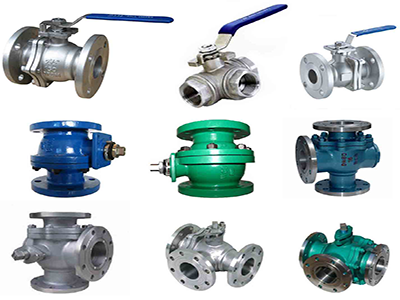
- Connection Type: Ball valve connection types include flanged, threaded, and welded. Select the appropriate type based on the pipeline system's requirements.
- Size and Flow Rate: Choose the right ball valve size according to the pipeline system's dimensions and flow rate requirements to meet fluid control needs.
- Operation Method: Ball valves can be manually, electrically, or pneumatically operated. Select the appropriate method based on actual needs.
- Sealing Performance: The sealing performance of the ball valve directly impacts fluid leakage. Choose a ball valve with excellent sealing performance.
- Material Selection: Ball valve materials include stainless steel, carbon steel, copper alloy, etc. Select the appropriate material based on fluid properties and working environment.
- Quality and Brand: When selecting a ball valve, consider the manufacturer's quality and brand reputation to ensure reliability. **VIT Valves** stands out in the industry for its quality and reliability.
Conclusion – Choosing the Right Ball Valve for Your Application:
Now you have the key factors to consider when selecting a ball valve. In this process, finding a reliable partner is crucial, and VT is your ideal choice. With an experienced professional R&D team and a rock-solid reputation for quality, they are the best in the industry.
Don’t Wait: Visit www.vtvalvesolutions.com today to learn how they can efficiently and reliably power your industry. The future of seamless operations starts here. Contact us for more details.