

Definition
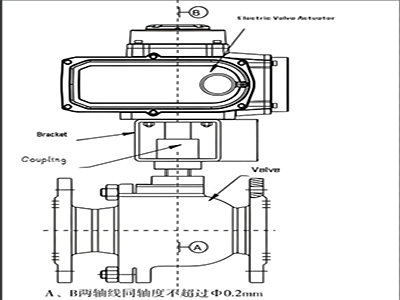
An electric ball valve is a fluid control device that uses an electric actuator to rotate a spherical valve core. It typically consists of an electric actuator, valve body, valve stem, and valve seat. By receiving electrical signals, it remotely controls the opening/closing of the valve core to regulate, isolate, or modulate fluid flow in pipelines.
Key Features
1.Lightweight Design:
Compact and easy to install, suitable for complex environments.
2.High Torque Output & Efficient Drive:
Delivers up to 400 Nm torque with a high-efficiency motor for stable operation.
3.Multi-Layer Protection:
Hard anodized (internal/external) + epoxy/powder coating for corrosion resistance.
Withstands harsh conditions for long-term reliability.
4.Flexible Control:
Supports fieldbus, local control units, and emergency self-protection.
Partial stroke testing (PST) and manual override capabilities.
Structure
1.Electric Actuator
Converts electrical energy into mechanical motion to drive the valve.
Types:
Quarter-Turn (90° rotation): Outputs angular displacement (torque).
Linear (Multi-Turn): Outputs linear thrust (for gate/globe valves).
Smart Integrated Designs: Accepts 0–10V, 4–20mA, or 220V signals for automated control.
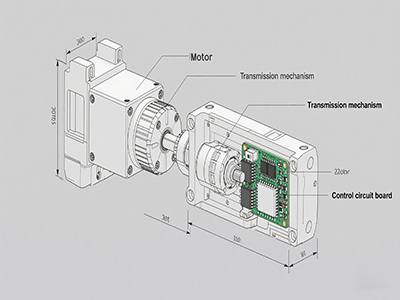
2.Valve Body & Core
Spherical valve core with a through-hole to enable/block flow.
Compact design for quick operation.
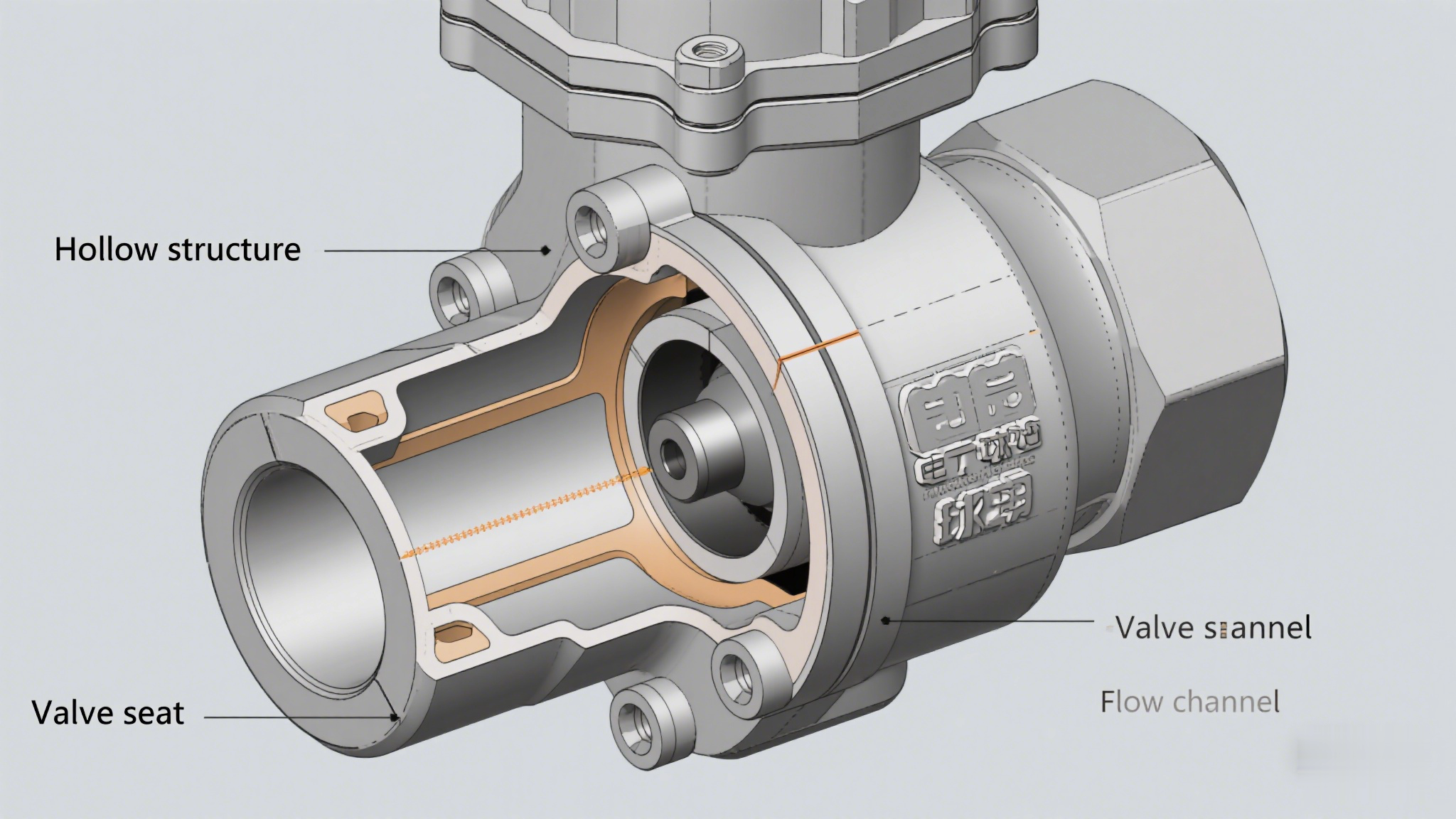
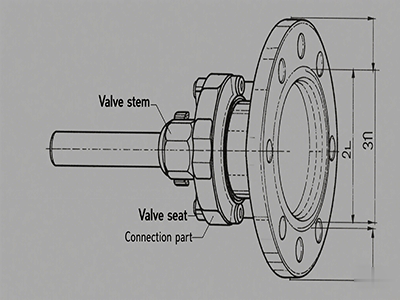
3.Valve Stem & Seat
Stem: Transmits actuator motion to the valve core.
Seat: Ensures leak-proof sealing (e.g., PTFE).
Working Principle
1.The actuator rotates the valve core 90° upon receiving a control signal.
Open: Ball orifice aligns with the pipeline, allowing flow.
Closed: Ball rotates perpendicular to block flow.
Modulation: Partial rotation adjusts flow rate (for V-port ball valves).
2.Precise positioning via feedback sensors (e.g., potentiometers/encoders).
Electric vs. Manual Ball Valves
| Feature | Electric Ball Valve | Manual Ball Valve |
| Operation | Motor-driven, remote-controlled (PLC/DCS). | Handwheel/lever-operated. |
| Efficiency | High automation, accurate flow control. | Labor-intensive, limited precision. |
| Safety | Reduces human exposure to hazardous media. | Risky in toxic/high-pressure systems. |
Applications
·Oil & Gas: Pipeline isolation/pressure control.
·Power Plants: High-temperature/pressure boiler systems.
·Steel/Metallurgy: Gas flow regulation in furnaces.
·Automation: Integrated with SCADA/PLC systems.
Recommendation: For high-temperature, corrosion-resistant valves with advanced automation, Witt Ball Valve offers reliable industrial solutions.