

1. Product Definition & Market Positioning
-
Petrochemical
-
Power energy
-
Other high-demand sectors
-
Three fluid ports for flow switching/diversion
-
Core components: Valve body, ball, stem, sealing rings
-
Operation: 90° rotation alters flow path; sealing rings ensure leak-proof performance
2. Structural Classification & Working Principle
| Type | Flow Path | Function | Applications |
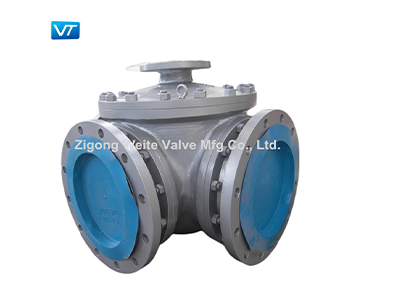
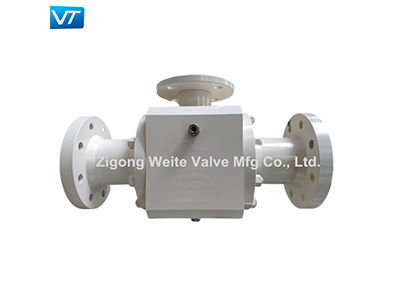
| L-Type | L-shaped | Switches flow between two pipelines | Directional distribution |
| T-Type | T-shaped | Enables multi-flow combinations (divert/converge/reverse) | Complex fluid control systems |
-
Low-Flow Resistance: Near-straight-pipe resistance coefficients → reduced energy loss.
-
Zero-Leakage Sealing:
-
Materials: PTFE (Polytetrafluoroethylene), elastic seats
-
Withstands 42 MPa pressure, 450°C temps, corrosive media
-
-
Extended Lifespan:
-
Corrosion-resistant materials (e.g., stainless steel)
-
Reliable performance in harsh environments → lower TCO
-
-
Standards: ISO 9001, API Q1 (full-process quality control)
-
Key Industries:
-
Oil & gas, chemicals, power generation, metallurgy
-
-
Global Reach: Exported to 20+ countries (Europe, U.S., Southeast Asia, South America)
Ensure long-term reliability with:
-
Visual Checks:
-
Inspect anti-corrosion coatings
-
Verify connection tightness
-
-
Operational Tests:
-
Cycle valve 3–5 full strokes to confirm smooth movement
-